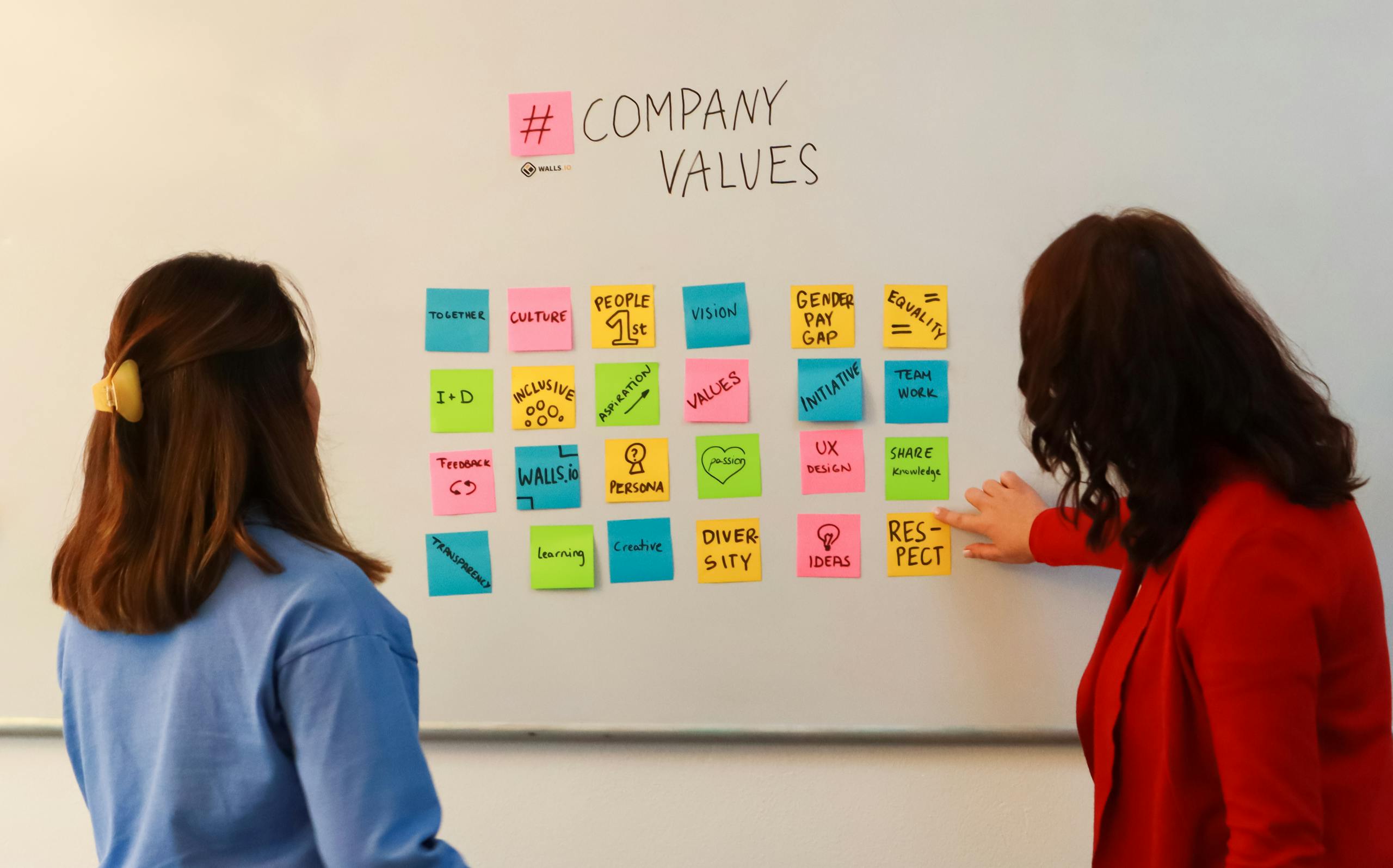
Introduction
In 2025, organizations around the world are changing the way they operate, grow, and serve society. While most businesses focus on profits and market competition, many organizations now follow a different path. These organizations are often called non-company organizations, nonprofit groups, social enterprises, charities, community foundations, and public welfare institutions. Their objectives are not centered only on earning money. Instead, they focus on improving society, helping communities, protecting the environment, supporting education, and solving global problems.
The concept of “none company objectives 2025” reflects the modern goals and missions adopted by organizations that work beyond traditional corporate profit-making. These objectives are becoming increasingly important because people today expect organizations to create positive social impact along with financial sustainability.
In 2025, nonprofit and mission-driven organizations are using technology, digital communication, artificial intelligence, and global partnerships to achieve their goals more effectively. Governments, educational institutions, healthcare groups, and humanitarian organizations are all adapting to new challenges such as climate change, unemployment, mental health issues, poverty, and digital inequality.
This article explains the major objectives of non-company organizations in 2025, their importance, strategies, challenges, and future opportunities.
Understanding None Company Objectives
None company objectives refer to the goals of organizations that are not mainly driven by shareholder profits. These objectives usually focus on social, cultural, environmental, educational, or humanitarian development.
Unlike traditional corporations, these organizations measure success through impact rather than revenue alone.
Main Characteristics
- Community-centered goals
- Social welfare improvement
- Environmental responsibility
- Public service development
- Educational support
- Healthcare accessibility
- Ethical operations
- Long-term sustainability
These organizations may include:
- Nonprofit organizations
- NGOs
- Charities
- Educational institutions
- Religious organizations
- Community development groups
- Social enterprises
- Public welfare associations
Importance of None Company Objectives in 2025
The world in 2025 is more connected than ever before. Social problems can quickly affect economies and communities worldwide. Because of this, organizations are focusing more on sustainable and people-centered objectives.
Key Reasons Why These Objectives Matter
| Objective Area | Importance in 2025 |
| Social Welfare | Reduces poverty and inequality |
| Education | Improves future opportunities |
| Environment | Protects natural resources |
| Healthcare | Supports public health systems |
| Technology Access | Bridges the digital divide |
| Employment Support | Helps communities grow economically |
| Mental Health | Promotes emotional wellbeing |
Non-company objectives help build trust between organizations and society. People are more likely to support organizations that genuinely care about community welfare.
Major None Company Objectives in 2025
Social Impact and Community Development
One of the biggest objectives in 2025 is improving local communities. Organizations are investing in programs that help people live better lives.
Common Community Goals
- Reducing homelessness
- Supporting low-income families
- Creating job opportunities
- Helping disabled individuals
- Providing disaster relief
- Improving public safety
Community development programs are now more data-driven. Organizations use digital tools to identify areas where help is needed most.
Environmental Sustainability
Climate change remains one of the largest global concerns in 2025. Many non-company organizations focus heavily on environmental protection.
Environmental Objectives
- Reducing carbon emissions
- Promoting renewable energy
- Protecting forests and wildlife
- Encouraging recycling
- Reducing plastic waste
- Supporting clean water projects
Environmental organizations also educate communities about sustainable living habits.
Education and Skill Development
Education continues to be a major focus for nonprofit and social organizations.
Educational Goals in 2025
- Providing free online learning
- Supporting rural schools
- Offering scholarships
- Teaching digital skills
- Improving literacy rates
- Training unemployed youth
Technology has made education more accessible than before. Many organizations now offer virtual classes and mobile learning platforms.
Healthcare Improvement
Healthcare access is another major objective in 2025.
Healthcare Priorities
- Affordable medical services
- Mental health awareness
- Vaccination campaigns
- Maternal healthcare
- Child nutrition programs
- Telemedicine support
Healthcare organizations increasingly use artificial intelligence and digital health systems to improve services.
Digital Inclusion
The digital divide still affects millions of people worldwide. Many organizations now focus on increasing internet and technology access.
Digital Objectives
- Providing free internet access
- Offering computer training
- Supporting remote learning
- Teaching cybersecurity awareness
- Encouraging digital entrepreneurship
Digital inclusion helps people participate in the modern economy.
Human Rights Protection
Human rights organizations continue to play an important role in 2025.
Human Rights Objectives
- Gender equality
- Child protection
- Refugee support
- Freedom of education
- Anti-discrimination programs
- Workplace fairness
Many global organizations now collaborate across countries to promote equal opportunities.
Economic Empowerment
Non-company organizations are helping people become financially independent.
Economic Goals
- Small business training
- Microfinance programs
- Women entrepreneurship support
- Rural economic development
- Financial literacy education
Economic empowerment programs help communities reduce long-term dependency on aid.
Technology and Innovation in Non-Company Organizations
Technology is transforming how organizations achieve their objectives.
Technologies Used in 2025
| Technology | Purpose |
| Artificial Intelligence | Data analysis and planning |
| Cloud Computing | Remote collaboration |
| Blockchain | Donation transparency |
| Mobile Apps | Community communication |
| Virtual Reality | Educational training |
| Automation | Administrative efficiency |
Technology allows organizations to work faster, reduce costs, and reach more people.
Strategic Planning for Objectives
Organizations in 2025 use advanced planning methods to achieve better results.
Important Planning Elements
- Setting measurable goals
- Tracking performance indicators
- Building partnerships
- Managing resources effectively
- Improving volunteer engagement
- Monitoring social impact
Strong planning helps organizations remain sustainable even during economic uncertainty.
Role of Leadership in Achieving Objectives
Leadership plays a critical role in mission-driven organizations.
Qualities of Effective Leaders
- Transparency
- Empathy
- Innovation
- Accountability
- Communication skills
- Strategic thinking
Leaders in 2025 are expected to inspire trust and promote ethical decision-making.
Funding Challenges in 2025
Although non-company organizations focus on social good, funding remains a major challenge.
Common Funding Problems
- Reduced donations
- Economic instability
- Rising operational costs
- Competition for grants
- Donor trust issues
Organizations are now diversifying their income sources to remain financially stable.
Popular Funding Sources
- Online crowdfunding
- Government grants
- Corporate partnerships
- Membership programs
- International aid
- Social enterprise revenue
Financial transparency has become essential for maintaining public trust.
Importance of Transparency and Accountability
People today want to know how organizations use funds and resources.
Transparency Objectives
- Publishing annual reports
- Sharing project outcomes
- Providing financial disclosures
- Maintaining ethical practices
Transparency improves credibility and encourages more public support.
Volunteer Engagement Objectives
Volunteers remain a valuable part of nonprofit operations.
Volunteer Goals in 2025
- Digital volunteer training
- Flexible remote volunteering
- Youth engagement programs
- Professional skill-based volunteering
Organizations now use online platforms to recruit and manage volunteers globally.

Diversity and Inclusion Goals
Diversity is now considered essential for organizational success.
Inclusion Objectives
- Equal employment opportunities
- Inclusive leadership
- Accessible workplaces
- Cultural representation
- Gender balance
Inclusive organizations often perform better because they understand diverse community needs.
Sustainable Development Goals and None Company Objectives
Many organizations align their objectives with global sustainable development goals.
Focus Areas
- Ending poverty
- Quality education
- Gender equality
- Clean energy
- Climate action
- Reduced inequalities
These goals guide organizations toward long-term global improvement.
Future Trends for None Company Objectives
The future of non-company organizations will continue evolving.
Expected Trends
- Greater use of AI
- More digital fundraising
- Remote global collaboration
- Increased focus on mental health
- Stronger environmental activism
- Data-driven decision making
Organizations that adapt quickly will have greater social impact.
Benefits of Strong None Company Objectives
Clear objectives help organizations remain focused and effective.
Major Benefits
- Better community impact
- Improved donor confidence
- Higher volunteer engagement
- Stronger reputation
- Long-term sustainability
- Better resource management
Organizations with strong missions attract more public support.
Challenges Facing Non-Company Organizations
Despite positive goals, organizations still face several obstacles.
Common Challenges
| Challenge | Impact |
| Limited Funding | Reduces project capacity |
| Technology Gaps | Slows operations |
| Staff Burnout | Affects productivity |
| Political Issues | Limits community access |
| Public Trust Problems | Decreases donations |
| Economic Recession | Increases social demand |
Organizations must remain flexible and innovative to overcome these problems.
Building Strong Partnerships
Partnerships are becoming more important in 2025.
Types of Partnerships
- Government collaborations
- Corporate sponsorships
- Educational institutions
- International agencies
- Community groups
Partnerships allow organizations to share resources and increase efficiency.
Measuring Success in 2025
Success is no longer measured only by financial growth.
Modern Success Indicators
- Number of lives improved
- Environmental impact reduction
- Community participation
- Educational achievements
- Healthcare improvements
Impact measurement tools help organizations understand their effectiveness.

Conclusion
None company objectives in 2025 reflect a major shift toward social responsibility, sustainability, and human-centered progress. Organizations are increasingly focusing on improving communities, protecting the environment, supporting education, promoting healthcare, and encouraging equality.
Technology, innovation, and global collaboration are helping these organizations achieve their missions more effectively than ever before. However, challenges such as funding limitations, public trust issues, and economic uncertainty continue to affect operations.
The future belongs to organizations that combine strong ethical values with modern strategies. Clear objectives, transparent leadership, and community engagement will remain essential for long-term success.
As society continues evolving, non-company organizations will play an even bigger role in creating positive change and building a more sustainable world.
FAQs
What are none company objectives in 2025?
None company objectives in 2025 refer to the goals of nonprofit, social, and mission-driven organizations that focus on community welfare, sustainability, education, healthcare, and social impact instead of only making profits. These objectives help organizations improve society while maintaining responsible operations and long-term growth.
Why are nonprofit objectives important in 2025?
Nonprofit objectives are important because global challenges such as climate change, poverty, healthcare access, and unemployment require organizations to focus on social responsibility. These objectives help improve communities, support vulnerable populations, and create sustainable development opportunities for future generations.
How does technology help non-company organizations?
Technology helps organizations improve communication, fundraising, data analysis, volunteer management, and service delivery. Artificial intelligence, cloud systems, mobile applications, and digital platforms allow organizations to reach more people and operate more efficiently while reducing costs.
What challenges do non-company organizations face in 2025?
Major challenges include limited funding, rising operational expenses, staff burnout, economic instability, public trust concerns, and technology limitations. Organizations must use innovative strategies and transparent operations to overcome these difficulties successfully.
What is the role of sustainability in non-company objectives?
Sustainability plays a central role by encouraging environmental protection, responsible resource use, renewable energy adoption, and climate action programs. Many organizations focus on reducing environmental damage while promoting long-term ecological balance and community wellbeing.
How do organizations measure success in 2025?
Organizations measure success through social impact indicators such as lives improved, education levels increased, healthcare access expanded, environmental improvements achieved, and community engagement strengthened. Financial growth alone is no longer considered the only measure of success.
What are the future trends for none company objectives?
Future trends include increased use of artificial intelligence, digital fundraising, remote collaboration, mental health initiatives, environmental activism, and data-driven planning. Organizations that adapt to technological and social changes will have greater influence and long-term sustainability.
You’re out of messages with the most advanced Free model. Responses will use a less powerful model until your usage resets after 11:07 PM.
ALSO READ MORE Creative Kitchen Storage Ideas for Better Organization