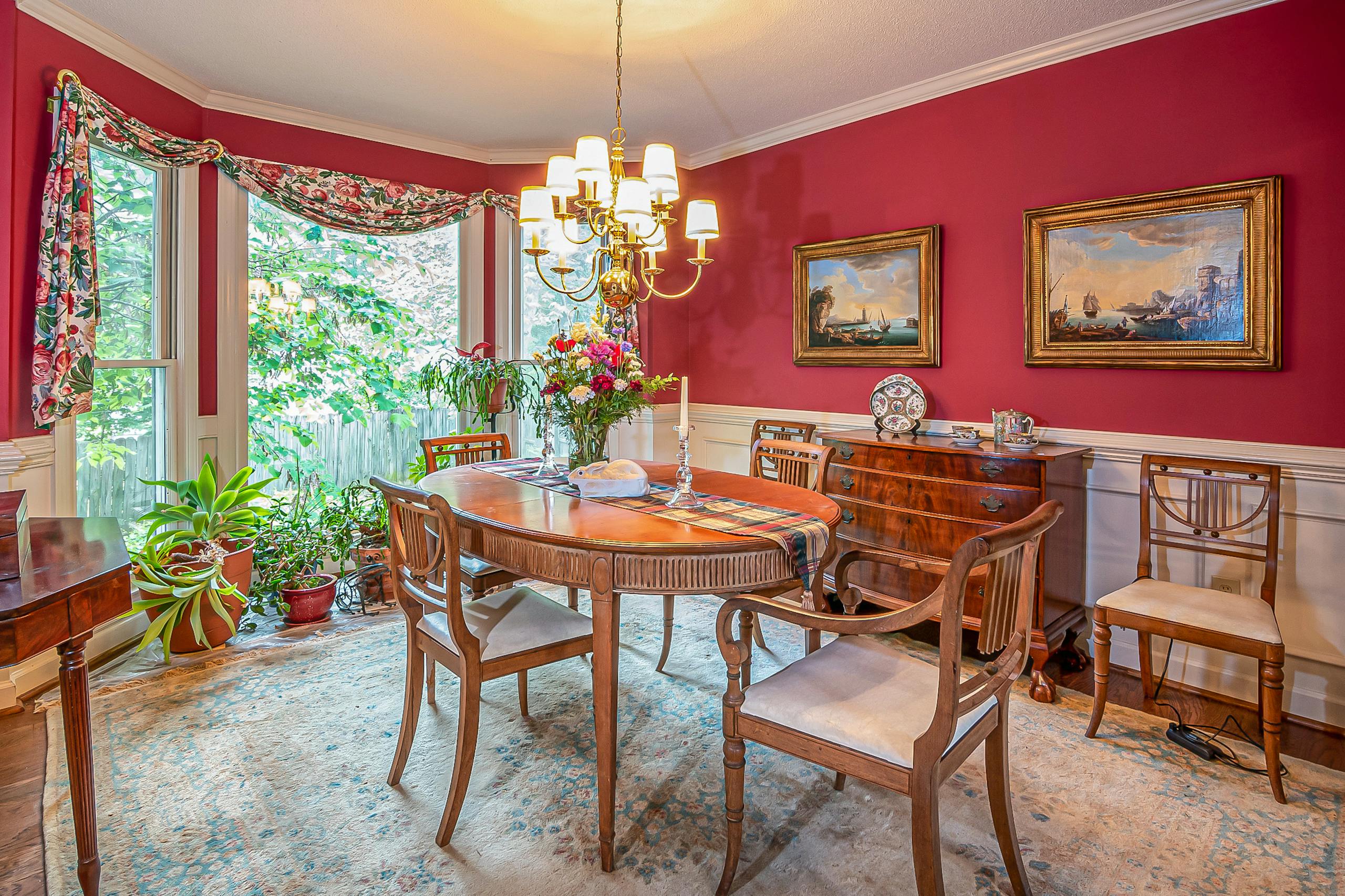
Introduction: More Than Just a Holder for Your Curtains
When it comes to window treatments, we often lavish attention on the fabric—the velvet blackout panels, the airy linen sheers, the intricate embroidery. But what holds it all up? The curtain rod is the unsung hero of window décor, the architectural detail that frames your view and crowns your room. And among all the options, one material stands out for its unique ability to blend timeless elegance with robust durability: the brass curtain rod.
Far from being a relic of the past, brass has made a triumphant return to the forefront of interior design. But today’s brass curtain rods aren’t the clunky, overly polished fixtures of the 1980s. They are available in a stunning array of finishes, from warm, unlacquered brass that develops a personal patina to sleek, matte black brass for a modern edge. This article will delve deep into the world of brass curtain rods, exploring why they are a superior investment for your home, how to choose the right style, and how to care for them to ensure they remain a beautiful focal point for years to come.
Why Choose Brass? The Undeniable Advantages
Before we dive into styles and specifics, let’s establish why brass is often the best choice for discerning homeowners and designers.
1. Unmatched Durability and Strength
Brass is an alloy of copper and zinc, creating a material that is inherently strong and long-lasting. Unlike hollow, lightweight metals used in cheaper rods, solid brass or brass-plated steel rods are built to withstand the test of time—and the weight of heavy curtains. You won’t have to worry about sagging, bending, or snapping, even with substantial velvet or thermal-lined drapes. This structural integrity makes them a truly “buy it for life” item.
2. Timeless Versatility in Style
What truly sets brass apart is its chameleon-like ability to adapt to any design aesthetic.
- Traditional & Classic: A polished brass rod with ornate finials is the quintessential choice for a traditional living room, library, or formal dining room.
- Modern & Minimalist: A rod with a brushed or satin brass finish and clean, spherical or disc-shaped finials feels utterly contemporary and sleek.
- Industrial: A rod with an unlacquered, raw brass finish that shows its age pairs perfectly with exposed brick and concrete.
- Coastal & Bohemian: Weathered or rubbed brass with organic-inspired finials complements a relaxed, global, or beachy vibe.
- Transitional: This is where brass truly shines. A simple brass rod can bridge the gap between traditional and modern, creating a cohesive and curated look.
3. The Investment Factor: Value That Appreciates with Age
While the initial cost of a quality brass curtain rod may be higher than a basic metal one, it is an investment in your home’s aesthetic and value. Quality hardware is one of those subtle details that home stagers and savvy buyers notice. It signals care, quality, and a well-appointed space. Furthermore, unlike trendy materials that can look dated in a few years, brass is perpetually stylish.
4. The Living Finish: A Story on Your Wall
This is perhaps the most unique and romantic quality of brass, particularly unlacquered brass. Unlike coated metals that stay static, unlacquered brass reacts with its environment. It tarnishes and darkens in some areas, polishes bright in others from the touch of your hand as you open and close the curtains. Over time, it develops a rich, complex patina that is entirely unique to your home and habits. It tells a story, becoming a living part of your interior.
Navigating the World of Brass Finishes
“Brass” is not a single look. The finish you choose will dramatically alter the rod’s character. Here’s a breakdown of the most popular types:
1. Polished Brass: This is the high-shine, reflective brass of grand hotels and classic interiors. It’s bold, glamorous, and makes a definitive statement. It requires occasional polishing to maintain its brilliant luster, making it a choice for those who enjoy the upkeep of a gleaming home.
2. Satin or Brushed Brass: Currently one of the most sought-after finishes, satin brass has a soft, muted glow. The brushing process creates fine lines on the surface that diffuse light, giving it a warm, contemporary feel. It’s less prone to showing fingerprints and minor scratches than polished brass, making it a practical and beautiful choice for busy households.
3. Unlacquered Brass: As discussed, this is raw brass without a protective clear coat. It starts out bright and shiny but will immediately begin to oxidize and darken. Choosing this finish is a commitment to watching your hardware evolve, embracing the imperfections and the beautiful, personal history it develops. It’s perfect for those who love a lived-in, collected, and authentic aesthetic.
4. Antique, Aged, or Rubbed Brass: This finish is artificially accelerated patina. Manufacturers darken the brass in the crevices and highlights, giving it an instant “old world” charm. It offers the character of aged brass without the wait, making it ideal for achieving a specific vintage or traditional look right away.
5. Blackened or Oxidized Brass: For a dramatic, moody effect, blackened brass is a stunning option. The rod is treated to have a dark, almost black finish, often with brass tones peeking through from underneath. It’s a fantastic way to incorporate the quality of brass with the modern popularity of black hardware.
6. Brass with Other Accents: Don’t forget mixed metals! Rods featuring brass with nickel, chrome, or black accents are widely available and can be a clever way to tie multiple metal finishes in a room together.
A Guide to Choosing the Perfect Brass Curtain Rod
Selecting the right rod involves more than just picking a finish you like. Follow these steps to ensure a perfect fit for your windows and your style.
Lorem Ipsum has been the industry’s standard dummy text ever since the 1500s.
Step 1: Measure Correctly for a Professional Look
This is the most crucial step for a high-end result.
- Rod Width: The rod should extend 3 to 6 inches on each side of the window casing. This allows your curtains to frame the window when open, letting in maximum light and making the window appear larger.
- Rod Height: Install the rod 4 to 6 inches above the top of the window frame, or even halfway between the window casing and the ceiling. This draws the eye upward, creating the illusion of taller ceilings.
- Fullness: Your curtains should have a “fullness” ratio of 2 to 1. That means the total width of your curtain panels should be double the width of your rod. This ensures luxurious, functional folds when the curtains are closed.
Step 2: Consider Diameter and Substance
The diameter of the rod matters both aesthetically and functionally.
- Small Windows (Under 48″ wide): A 1/2″ to 1″ diameter rod is usually sufficient.
- Standard Windows (48″ to 96″ wide): Opt for a 1″ to 1.5″ diameter rod.
- Large Windows, Sliding Doors, or Bay Windows (Over 96″ wide): A 1.5″ to 2″ diameter rod is necessary for both structural support and visual proportion. A skinny rod on a large window will look flimsy and out of place.
Step 3: Select Finials That Define Your Style
Finials are the decorative end pieces that cap your rod. They are the jewelry of your window treatment.
- Simple Balls or Discs: For a modern, minimalist, or mid-century look.
- Ornate & Organic: Acorn, urn, or leaf shapes for traditional, classic, or botanical themes.
- Crystal or Glass: Add a touch of glamour and reflect light beautifully.
- Geometric: Cubes, pyramids, or rectangles for a sharp, contemporary edge.
- No Finials: For a clean, built-in look, you can opt for return brackets that allow the rod to end flush against the wall.
Step 4: Don’t Skimp on the Brackets
The brackets are the workhorses of the system. Ensure they are made of equally sturdy material and are spaced appropriately. For rods longer than 60 inches, a center bracket is essential to prevent sagging. Match the bracket’s finish to the rod for a cohesive look.
The Art of Styling: Brass Rods in Every Room
The Living Room: Make a statement. Use a substantial, brushed brass rod with simple ball finials for a modern feel, or an ornate polished brass rod for a more formal setting. Perfect for framing heavy drapes or elegant sheers.
The Bedroom: Create a sanctuary. A blackened brass rod adds drama and sophistication, especially when paired with deep-colored velvet curtains. For a softer look, satin brass with crystal finials brings in a touch of luxury.
The Kitchen & Dining Room: Brass works wonderfully here, often to complement hardware and lighting. A thin brass tension rod for a simple cafe curtain in the kitchen adds a charming, European touch.
The Bathroom: While moisture can accelerate tarnishing (which can be desirable for an unlacquered look!), a brass rod adds a hotel-spa level of luxury. Just ensure it’s a finish you’re happy to see evolve or one that is well-lacquered.
The Home Office: A brass rod conveys professionalism and taste. Choose a finish that matches your desk accessories and lighting to create a cohesive and inspiring workspace.
Care and Maintenance: Preserving the Beauty
How you care for your brass rod depends entirely on its finish.
- Polished Brass: Use a soft cloth and a dedicated brass polish to maintain the shine. Wipe down with a damp cloth first to remove dust.
- Satin/Brushed Brass: Simply dust regularly and clean with a mild soap and water solution. Avoid abrasive pads that can damage the brushed texture.
- Unlacquered Brass: Embrace the patina! If you want to slow the tarnishing, you can apply a thin layer of wax. If you prefer to keep it bright, you can polish it, but this will create an uneven appearance over time as some areas tarnish faster than others.
- Antique/Rubbed Brass: Just dust with a dry, soft cloth. Polishing will remove the intentional darkening.
Lorem Ipsum has been the industry’s standard dummy text ever since the 1500s.
Conclusion: The Final Touch That Makes a Room
A curtain rod is often an afterthought, but as we’ve seen, it holds immense power to define a space. A brass curtain rod is not merely a functional item; it is a piece of architectural jewelry, a testament to quality, and a versatile design tool that can bridge decades of style.
By investing in a well-made brass rod, you are choosing more than just a way to hang curtains. You are selecting a piece of hardware that carries a legacy of craftsmanship, offers unparalleled durability, and possesses a unique beauty—whether static or ever-changing—that will enhance your home for a lifetime. So, look up. That blank space above your window is a canvas, and a brass curtain rod is the perfect frame.
FAQs (Frequently Asked Questions)
Q1: Are brass curtain rods out of style?
A: Absolutely not. Brass curtain rods are considered a timeless classic. While their specific finishes trend (e.g., polished was big in the 80s, satin and unlacquered are very popular now), the material itself never goes out of style. They have made a major comeback in modern interior design due to their versatility, warmth, and ability to add a touch of elegance to any room.
Q2: What is the difference between solid brass and brass-plated rods?
A: Solid brass rods are made entirely of the brass alloy, making them the most durable, heavy, and expensive option. They can be polished and re-finished over time. Brass-plated rods have a base metal (like steel) with a thin layer of brass on top. They are more affordable but can wear away or tarnish unevenly over the years, potentially revealing the base metal underneath.
Q3: Why is unlacquered brass more expensive?
A: Unlacquered brass is often more expensive because it’s typically a sign of higher quality, often being solid brass. The lack of a protective lacquer coat also means the manufacturing process requires a flawless, blemish-free surface, as any imperfection will be visible and will patina over time. You are paying for the quality of the material and the artistry of a “living finish.”
Q4: Can I use brass curtain rods in a bathroom?
A: Yes, but with consideration for the finish. The humidity in a bathroom will accelerate tarnishing. For an unlacquered brass rod, this is ideal if you want a rapid, beautiful patina. If you prefer a consistent, shiny, or satin look, ensure your brass rod has a protective lacquer coating to shield it from moisture.
Q5: How do I keep my polished brass from tarnishing?
A: To maintain the shine on polished brass, it needs a protective clear lacquer coating from the manufacturer. If it is already lacquered, simply dust and clean with a damp cloth. If it is unlacquered and you want to keep it shiny, you will need to polish it regularly with a specific brass cleaner, though this will fight against its natural tendency to develop a patina.
Q6: What curtain colors look best with brass rods?
A: Brass is incredibly versatile. It looks stunning with:
- Deep Tones: Navy, Emerald Green, Burgundy
- Neutrals: Cream, White, Gray, Beige
- Warm Colors: Terracotta, Mustard, Rust
- Jewel Tones: Sapphire blue, Ruby red
Essentially, the warm undertone of brass complements almost every color, adding richness and depth.
Q7: How long should my brass curtain rod be?
A: For a professional look, your rod should extend 3 to 6 inches on either side of your window frame. This allows your curtains to be pulled completely off the window, maximizing light. The rod itself should be the window width plus 6 to 12 inches.