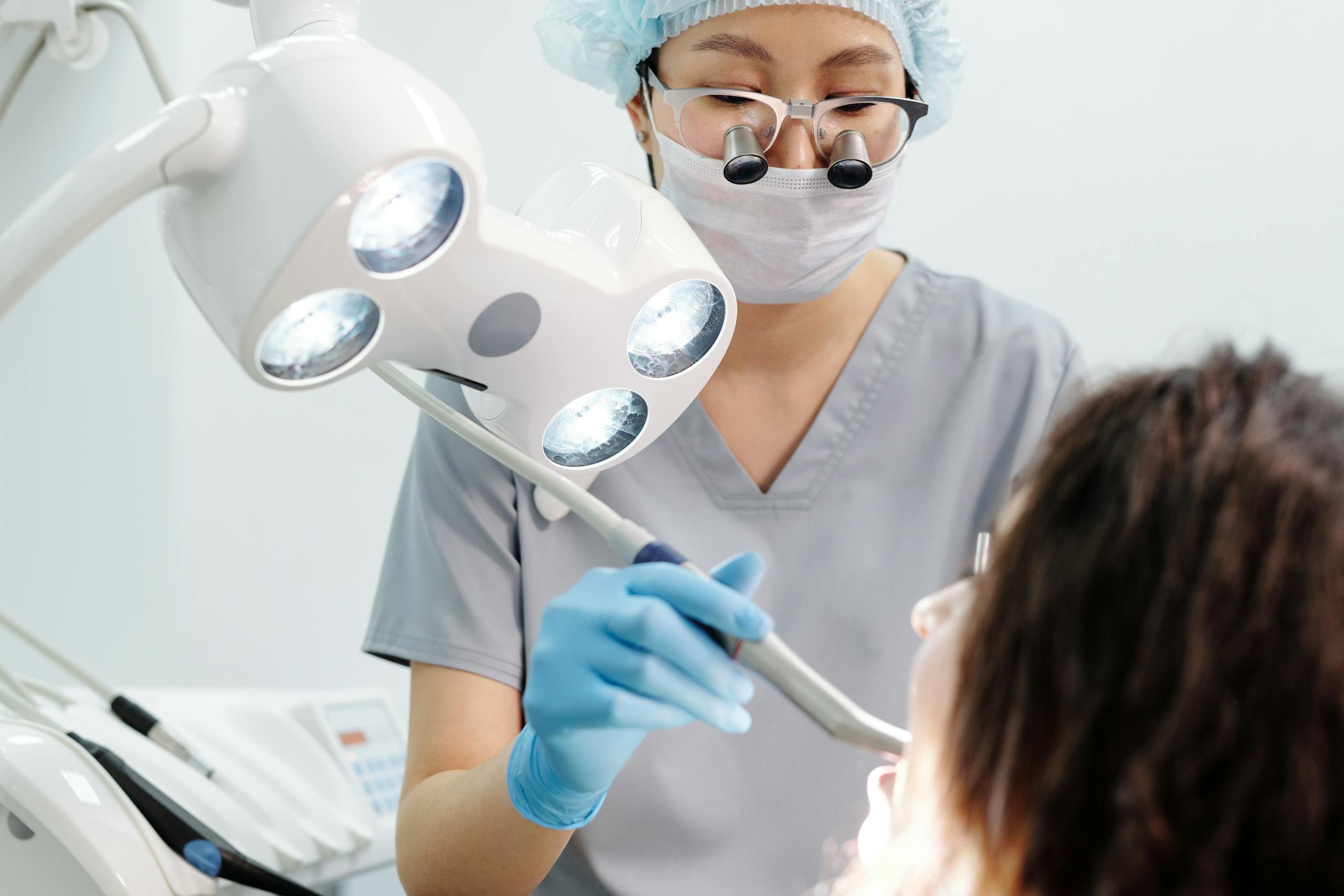
In 2026, dental technology — particularly dental software — continues its remarkable evolution. From real‑time AI functionality and advanced imaging workflows to powerful practice management and cloud solutions, the dental software landscape is reshaping how clinicians manage workflows, connect with patients, and deliver care. This article provides a deep dive into what’s happening today in dental software — including major breakthroughs, current news, future trends, business impacts, and strategic insights for dental practices and software developers.
1. Introduction: The Dental Software Revolution
Dental software has shifted from simple appointment scheduling and billing systems to intelligent, AI‑powered platforms that enhance clinical decision‑making, practice efficiency, and patient engagement.
Today’s headlines reflect a broader shift: dental software is now an integral component of modern dentistry, where software advancements are no longer add‑ons but central drivers of practice growth and patient outcomes.
Here’s a snapshot of the latest news shaping the industry:
2. Today’s Dental Software News: Highlights & Key Updates
AI Tools in Dental Imaging: Planmeca Romexis 7
One of the most recently announced advancements is that Planmeca has updated its Romexis 7 dental imaging software to include AI‑driven tools that enhance intraoral imaging workflows and automate tooth numbering — significantly reducing manual workload for clinicians Dental Software News Toda.
This development exemplifies how AI is rapidly becoming standard in dental imaging — not merely a future concept.
Cloud and Integration Advancement: Clerri and Open Dental Integration
Clerri, a dental technology company, announced a new authorized integration with Open Dental Software aimed at streamlining workflows and bringing membership plan functionality closer to everyday operations.
The focus on integration reflects a broader industry push: dental software platforms are becoming connected ecosystems rather than isolated applications — enhancing interoperability across systems.
Market Expansion and Growth Reports
The dental practice software market is projected for significant growth through the late 2020s. Recent industry reports confirm that dental practice software — including practice management, imaging, and decision support tools — is one of the fastest‑expanding segments within dental technology.
With practice consolidation trends and dental support organizations (DSOs) increasing, scalable software systems — especially cloud‑based solutions — are increasingly in demand Dental Software News Toda.
Enterprise Partnerships Fueling Adoption
Large dental software vendors continue forming strategic partnerships to expand resources for multi‑location practices and enterprise groups. For example, Planet DDS partnered with DEO (Dentist Entrepreneur Organization) to support emerging dental groups, further pushing broad adoption of cloud‑based enterprise tools.
Tech Conferences and Industry Events Spotlight Innovation
Recent technology summits, like the DentiMax Dental Tech Summit, have highlighted innovation in dental software solutions — including AI‑integrated practice management tools and cloud‑based practice ecosystems.
Industry events play a major role in fostering collaboration between clinicians, developers, and leaders — ensuring emerging technologies align with real‑world dental practice challenges.
3. How AI Is Transforming Dental Software in 2026
The most consistent theme across today’s news and developments is artificial intelligence — not just “machine learning hype,” but real, embedded AI features that change workflows:
AI for Imaging and Diagnostics
From automated tooth numbering to advanced image segmentation, AI is helping dentists interpret radiographs faster and more accurately. Systems that can analyze CBCT or panoramic radiographs with AI markers are becoming more common, reducing diagnostic time and increasing precision.
For example, research frameworks like CrownGen and vision foundation models for dental radiology suggest future AI systems will automate crown design and pathology recognition with high fidelity.
AI in Practice Management
Practice management software is leveraging AI to streamline non‑clinical tasks such as:
- Appointment scheduling optimization
- Intelligent billing and claims processing
- Insurance eligibility verification
- Patient communications via AI assistants
DentiMax’s cloud‑based platform, Flow, now includes an AI chat engine where users can query the system using natural language — a significant step toward interactive, adaptive dental office software that learns from usage.
Emerging AI in Patient Engagement
AI is not limited to backend functions — platforms are now actively engaging patients. Innovative systems like those formerly highlighted (e.g., Heygent Dental AI) use conversational AI to handle calls, booking, and patient response workflows — helping practices boost patient conversion and lead capture.
This shift transforms dental software from a practice tool into a patient experience driver.
4. Market Dynamics and Growth Trends
Cloud‑Based Solutions Are Now Standard
The transition from on‑premise systems to cloud‑based dental software has accelerated significantly. Cloud systems offer:
- Real‑time accessibility
- Automatic updates
- Scalability
- Enhanced collaboration across practices
Reports indicate that cloud platforms are becoming the backbone of dental operations, especially for multi‑location practices and DSOs.

Practice Management Software Uptake and Enterprise Needs
As practices take on more patients and expand, the software must handle complex tasks — including revenue cycle management, resource scheduling, patient analytics, and compliance demands.
Enterprise solutions are gaining ground, with companies like Planet DDS seeing significant year‑over‑year growth as DSOs adopt cloud practice systems for standardization and operational scaling.
Mergers, Acquisitions, and Consolidation
The dental software sector is also experiencing consolidation, exemplified by acquisitions such as Standard Dental’s acquisition of iCoreConnect’s core software assets — strengthening centralized platforms that offer full practice workflows.
These deals indicate a trend toward consolidated platforms that combine billing, communication, analytics, and clinical tools in a seamless ecosystem.
5. Key Technologies and Innovations in Dental Software
1) Advanced Imaging Software
Software platforms now integrate seamlessly with devices like intraoral scanners, CBCT imaging, and even 3D printers — enabling real‑time design and fabrication workflows.
AI enhancements streamline radiographic interpretation, while AI‑driven CAD design tools automate steps in restoration planning and prosthetic design.
2) Integrated Collaboration Tools
Real‑time video collaboration tools between dentists and lab technicians — such as features launched by Dandy’s Chairside software — are blurring the boundaries between clinical offices and labs.
This changes traditional communication — from disjointed emails and calls to live, interactive case planning sessions.
3) Predictive Analytics
Predictive analytics uses historical and live data to help clinicians optimize workflows, anticipate appointment no‑shows, and recommend treatment plans.
AI‑driven analytics bring a proactive dimension to decision‑making — empowering practices to act on insights rather than react to data after the fact.
4) Patient Engagement Platforms
Dental software is now focusing on patient experience — including secure self‑scheduling, proactive reminders, and interactive communication tools.
The shift towards consumer‑centric features aligns dental care with broader trends in healthcare tech, where patient choice and satisfaction are increasingly driving practice growth.
6. Challenges and Opportunities Ahead
Despite remarkable progress, the dental software field faces several challenges:
• Interoperability
Many dental practices continue to work with disparate systems. True interoperability — where software platforms share data seamlessly — remains an ongoing challenge.
• Regulatory and Compliance Demands
Software must align with strict healthcare data‑security standards, including HIPAA compliance in the U.S. and equivalent regulations globally.
• Adoption Barriers
Many practices still use legacy systems or paper‑based workflows — particularly in rural areas or regions with limited technology infrastructure.
There’s a huge opportunity for innovative providers to deliver affordable, easy‑to‑adopt solutions that modernize workflows without overwhelming practices with complexity.
7. What Dental Practices Should Watch in 2026
For dental professionals, understanding how software impacts operations and patient care is key.
Here’s what practices should prioritize:
• Evaluate AI‑Enabled Platforms
Modern systems with embedded AI provide tangible productivity gains — from diagnostics to insurance verification.
• Embrace Cloud‑First Strategies
Cloud deployment ensures security, automatic updates, and access from anywhere — critical for scaling practices.
• Focus on Patient Experience Features
Software that enhances patient engagement — through automated self‑scheduling, digital forms, and messaging — can boost retention and satisfaction.

• Consider Total Practice Ecosystems
Beyond standalone tools, practices benefit most when systems integrate billing, clinical data, and analytics into unified dashboards.
8. Case Studies: Real‑World Impact of Dental Software
AI in Action: Workflow Automation
Clinics using AI‑enhanced practice management systems report reduced administrative time and improved treatment acceptance rates — as insurance eligibility checks and appointment scheduling become near instant.
Digital Imaging Transformation
Imaging workflows with AI‑supported tooth numbering and analysis save clinicians hours per week, allowing them to focus on patient care rather than manual image review.
Collaborative Lab Planning
Real‑time design review tools between dentists and lab technicians reduce turnaround times for restorations and enhance clinical accuracy — a win for both practices and patients.
: What is the latest update in Dental Software News Today?
: Dental Software News Today provides the most recent updates and innovations in dental technology and software. It covers news about new dental management systems, updates in patient record software, AI integration in dentistry, and tools that improve clinic efficiency. Dentists and dental professionals can stay informed about software releases, feature enhancements, cybersecurity improvements, and industry trends. By following Dental Software News Today, dental practices can adopt the latest technologies, streamline workflows, enhance patient care, and maintain compliance with digital record standards. It’s a trusted resource for staying current in dental software developments.
9. Conclusion: The Future of Dental Software Starts Now
Dental software news today shows an industry at the intersection of healthcare and intelligent technology. With AI accelerating workflows, cloud platforms reshaping practice management, and patient‑centric tools enhancing experience, dental software is no longer a backend utility — it’s a strategic asset.
As innovation continues, dental professionals who adopt and leverage these technologies will stand at the forefront of modern dentistry — delivering faster care, better outcomes, and smoother operations.
ALSO READ MORE Auztron Bot: A Complete Guide to Automation, Features, Use Cases, and Future Potential 2026