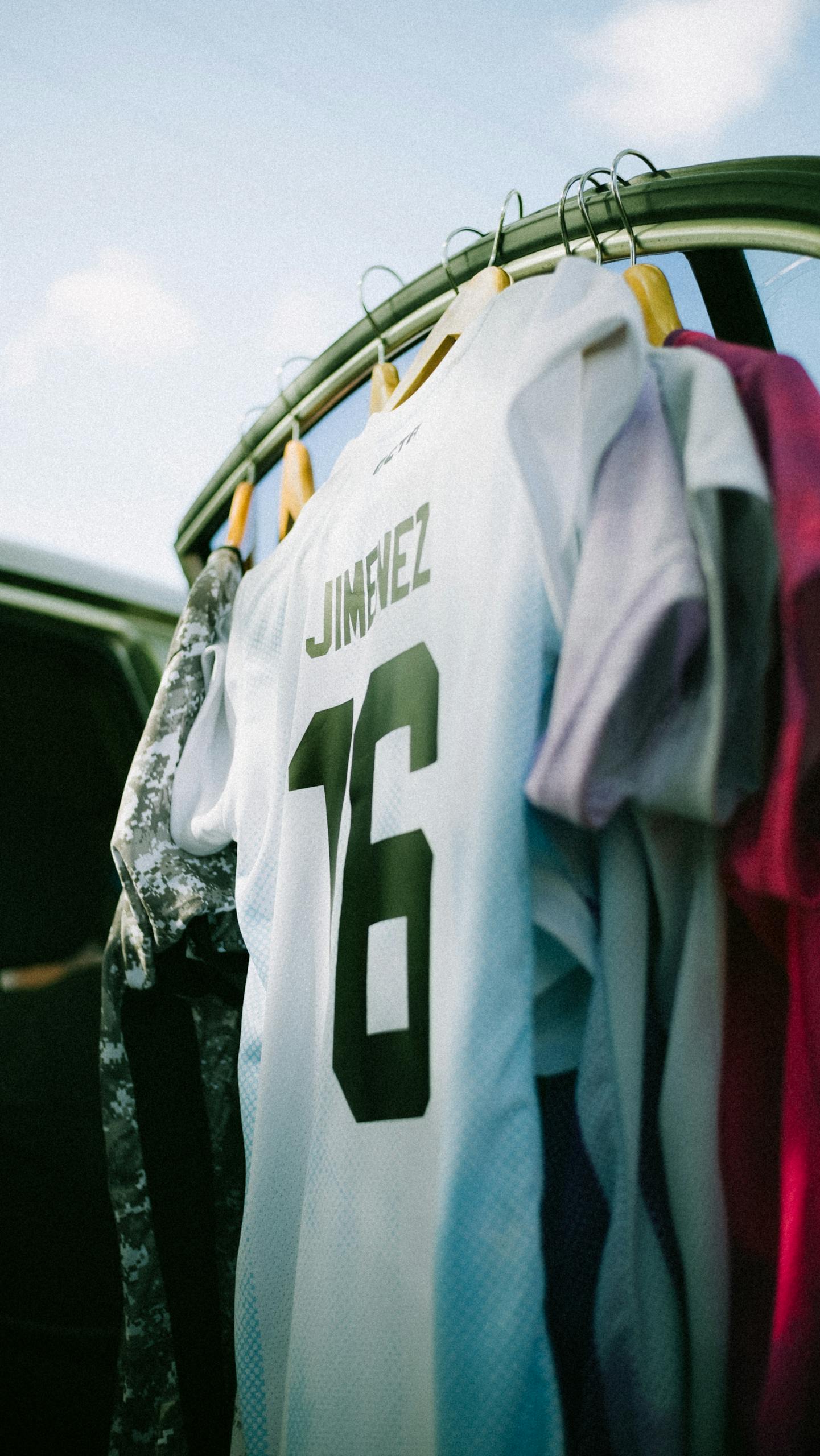
We’ve all seen the product listings, a cascade of comforting promises: “The Essential Jersey Dress,” “Softest Ever Jersey Slip Dress,” “The Dress You’ll Never Want to Take Off.” They pop up in targeted ads and fill our favorite online boutiques, each one a siren call to ease and simplicity. It’s easy to dismiss them as just another trend, a fleeting moment in the fast-fashion cycle.
But what if we’re witnessing something far more profound?
What if the universal embrace of the jersey knit dress is not just about fashion, but about a fundamental shift in how we define ourselves, our comfort, and our freedom in the world? This isn’t just a garment; it’s a quiet revolution stitched in soft, forgiving fabric. This is the story of how a simple piece of clothing became the uniform for a new era of living.
Part 1: A Brief History of Ease – From the Tennis Court to Your Closet
To understand the power of the present, we must first look to the past. The story of Jersey is inherently a story of rebellion against sartorial constraint.
Jersey fabric itself, a knit rather than a woven textile, was originally used for men’s underwear. It was practical, stretchy, and comfortable—attributes deemed unfit for the “serious” outerwear of the 19th century. Its entrance into high fashion is credited to one woman: Gabrielle “Coco” Chanel.
Inspired by the comfortable jerseys worn by the sailors of Deauville, Chanel did the unthinkable. She took this humble, utilitarian fabric and fashioned it into elegant, simple dresses for women. This was nothing short of radical. At a time when women were cinched into corsets and burdened with layers, Chanel offered freedom. She proposed that a woman could be both comfortable and chic, that elegance did not have to come at the cost of mobility.
The jersey dress was, from its inception, a declaration of independence.
The following decades saw iterations of this concept—the slinky bias-cut dresses of the 1930s, the easy shifts of the 1960s. But the true spiritual ancestor of our modern Easy Casual Jersey Dress was the T-shirt dress of the 1970s, a symbol of laid-back, bohemian cool. It was casual, it was accessible, and it placed the wearer’s comfort at the forefront.
Part 2: Deconstructing the Magic – Why It Feels Like “The Ultimate Comfort-Wear Dress”
We throw around words like “soft” and “comfortable” all the time. But the magic of a great jersey dress is a precise alchemy of design and textile science. It’s not an accident; it’s engineering.

1. The Fabric:
Not all jerseys are created equal. The quest for the “Softest Ever Jersey” leads us to a few key variations:
- Cotton Jersey: The classic. Breathable, absorbent, and soft against the skin. A Breathable Cotton Jersey Day Dress is a thermoregulating dream, perfect for everything from running errands to a casual lunch.
- Bamboo Jersey: Often hailed as the height of luxury in comfort wear, bamboo is incredibly soft, thermo-regulating, and has a beautiful, fluid drape. It feels like a second skin.
- Modal & Tencel™ Lyocell: Derived from sustainably sourced wood pulp, these fabrics are renowned for their silky texture, breathability, and ability to hold color beautifully. They offer a more elevated, sleek look.
- Polyester Blends: While less breathable than natural fibers, polyester adds durability, wrinkle-resistance, and helps maintain the dress’s shape wash after wash.
2. The Knit and The Stretch:
The phrase “Comfort Stretch Jersey Dress” is the key here. The knit construction of the jersey gives it a natural, four-way stretch. It moves with you. It accommodates your body as it is—curves, angles, and all. It doesn’t fight you. This inherent give is what transforms a garment from something you wear into something you inhabit.
3. The Cut and The Drape:
A great jersey dress understands gravity. The “Draped V-Neck Jersey Dress” isn’t just a stylish name; it’s a design philosophy. The weight of the fabric, the cut of the neckline, the way the skirt falls—it’s all calculated to create a flattering silhouette that feels effortless. There are no rigid seams demanding a specific posture. The dress does the work, flowing and draping in a way that celebrates, rather than constricts, the human form.
Part 3: The Psychology of the “Go-To” Dress – More Than Just Clothing
Why does finding “Your New Go-To Everyday Dress” feel so transformative? Because it answers a deep, psychological need in our modern, often overwhelming lives.
1. The Cognitive Load of Getting Dressed:
Every morning, we face a million tiny decisions. What to eat? What to prioritize at work? The last thing we need is a sartorial crisis. The jersey dress is a one-and-done solution. It’s a single item that constitutes a complete outfit. By eliminating the need to match separates, it reduces decision fatigue, freeing up mental bandwidth for things that truly matter. It is, in essence, a tool for efficiency and mental clarity.
2. The Authenticity of Comfort:
We are living in an era that increasingly values authenticity and well-being. The rigid power suits of the 1980s screamed “conformity.” The skin-tight, unforgiving dresses of the early 2000s often whispered “discomfort.” The jersey dress speaks a different language entirely. It says, “I am here as I am. I value my comfort and my ability to move freely through my day.” This is a powerful, confident stance. It’s the embodiment of the phrase “Style Meets Comfort.” We no longer believe these concepts are mutually exclusive.
3. The Versatility of Identity:
The “Cozy Chic Knit Midi Dress” is a master of disguise. With sneakers and a denim jacket, it’s a school-run superhero cape. With ankle boots and a statement necklace, it’s a lunch-with-friends outfit. With a blazer, heels, and bold earrings, it can walk into a client meeting or a dinner date. The same dress can embody the mother, the professional, the friend, and the partner—all without a single change. In a world where we wear many hats, it provides a single, adaptable canvas.
Part 4: Styling Your Sanctuary – How to Wear Your “Effortless Everyday” Dress
Owning “The Essential Jersey Dress” is step one. Unlocking its full potential is step two. Here’s how to make your uniform work for every facet of your life.
For the Ultimate Errand Day:
- The Dress: A classic Soft Jersey T-Shirt Dress or Breathable Cotton Jersey Day Dress in a solid, neutral hue like heather grey, black, or olive green.
- The Layers: A classic denim jacket or a cozy, oversized cardigan.
- The Footwear: White sneakers or supportive sandals.
- The Accessories: A crossbody bag to keep your hands free, a baseball cap, and simple stud earrings.
- The Vibe: Effortless, practical, and put-together.
For a “Cozy Chic” Day at Home or a Coffee Run:
- The Dress: A Classic Knit Slip Dress or a Cozy Chic Knit Midi Dress in a beautiful, tonal color like burgundy, slate blue, or terracotta.
- The Layers: A chunky, open-knit sweater draped over the shoulders or a fitted long-line leather jacket.
- The Footwear: Sleek slide sandals or stylish mules.
- The Accessories: A layered necklace, a leather tote, and a minimalist watch.
- The Vibe: Understated luxury and relaxed sophistication.
For an Elevated Evening Out:
- The Dress: A Draped V-Neck Jersey Dress in a deep, jewel tone or a classic black with a sophisticated drape.
- The Layers: A tailored blazer in a contrasting texture (e.g., tweed or velvet) or a sleek faux fur gilet.
- The Footwear: Strappy heels or elegant ankle boots.
- The Accessories: Statement earrings, a clutch bag, and a few delicate rings. A bold red lip is the perfect finishing touch.
- The Vibe: Confident, elegant, and intentionally comfortable.
Conclusion: The Dress You Live In
The journey of the jersey dress, from Chanel’s rebellion to the “Live in Comfort: Our Signature Jersey Dress” marketing of today, is a mirror reflecting our own evolution. We are prioritizing our physical and mental well-being, seeking authenticity over pretense, and demanding versatility from the items we invite into our lives.
So, the next time you slip on that “Effortless Everyday Jersey Dress,” that “Ultimate Comfort-Wear Dress,” recognize it for what it truly is. It is not a passive garment. It is an active choice for ease. It is a uniform for the multifaceted, modern human. It is a sanctuary of softness in a world that can often feel too rigid and demanding.
It is, quite simply, the dress you’ll never want to take off because it allows you to fully become the person you are meant to be—unrestricted, authentic, and utterly, completely yourself.
Frequently Asked Questions: The Ultimate Guide to Jersey Dresses
Q1: What exactly is jersey fabric?
A: Jersey is a type of knit fabric, as opposed to a woven one. Think of the material your favorite soft T-shirt is made from—that’s jersey! Its knit construction gives it a soft handfeel, natural stretch, and a comfortable drape, making it the perfect foundation for an easy-to-wear dress.
Q2: I see “cotton jersey,” “bamboo jersey,” and “modal.” What’s the difference?
A: This refers to the fiber content, which changes the feel and performance:
- Cotton Jersey: The classic. It’s breathable, absorbent, and great for everyday wear. Ideal for a Breathable Cotton Jersey Day Dress.
- Bamboo Jersey: Incredibly soft, lightweight, and often has a silky feel. It’s also thermo-regulating and sustainable.
- Modal/Tencel™ Jersey: Derived from beech trees, it’s known for its super-smooth, silky texture, excellent drape, and resistance to pilling. It feels luxurious.
- Polyester Blends: Often mixed with other fibers to add durability, reduce wrinkling, and help the dress retain its shape over time.
Q3: Are jersey dresses dressy enough for a nice dinner or a work event?
A: Absolutely! The versatility of a jersey dress is its superpower. A simple Classic Knit Slip Dress or a Draped V-Neck Jersey Dress in a solid, dark color can be easily elevated. Pair it with a blazer, statement jewelry, heels, and a clutch, and you have a sophisticated, comfortable outfit perfect for a variety of settings.
Q4: How do I keep my jersey dress from looking sloppy or too casual?
A: The key is in the styling and fit.
- Choose the Right Fit: Look for dresses described as “draped” or “slip” styles that are designed to be close-fitting without being tight. Avoid anything too baggy.
- Fabric Weight: A mid-weight jersey drapes better and looks more polished than a very thin, lightweight one.
- Accessorize: As mentioned above, accessories instantly elevate a jersey dress. A belt, structured bag, and nice shoes make all the difference.
- Layer Smartly: A leather jacket, tailored blazer, or chic cardigan can add structure and sophistication.
Q5: How should I wash and care for my jersey dress to keep it soft?
A: To maintain that “Softest Ever Jersey” feel:
- Machine Wash Cold: Use a gentle cycle with similar colors.
- Turn Inside Out: This minimizes friction and pilling on the outer surface.
- Avoid the Dryer: The number one rule! Tumble drying can shrink the fabric and break down the fibers. Instead, lay the dress flat or hang it to dry. This will significantly prolong its life and softness.
- Low Iron if Needed: Use a low heat setting if you must iron, but often, hanging it in the bathroom during a steamy shower will release any wrinkles.
Q6: I’m concerned about static cling. What can I do?
A: Static is common with knit fabrics, especially in drier climates or seasons.
- Use Fabric Softener: Adding a softener to your wash or using dryer sheets (if you must use a dryer on low heat) can help.
- DIY Solutions: Run a metal hanger over the dress to discharge static, or lightly mist your legs with a water/hairspray solution before putting the dress on.
- Wear the Right Undergarments: A slip or slip shorts can create a barrier and prevent the dress from clinging to your skin.
Q7: What body types do jersey dresses suit?
A: Jersey dresses are wonderfully inclusive due to their stretch and drape. The key is finding the right style for your shape:
- A-Line/Skater Styles: Flatter most body types, especially pear and hourglass shapes.
- Slip & Bodycon Styles: Look great on rectangular and hourglass figures, and can be layered with a kimono or jacket for others.
- Wrap & V-Neck Styles: These are universally flattering, as they define the waist and elongate the torso.
- T-Shirt Dresses: Their relaxed fit is great for apple shapes or anyone seeking a casual, comfortable look.
Q8: Is there a difference between a “jersey dress” and a “knit dress”?
A: This is a great question! “Knit” is the broader category—it refers to any fabric made by interlocking loops of yarn (like a sweater). Jersey is a specific type of knit, typically lightweight, flat, and used for T-shirts and dresses. So, all jersey dresses are knit dresses, but not all knit dresses (e.g., a chunky sweater dress) are jersey dresses.
Q9: Why is it called a “slip” dress?
A: The Softest Ever Jersey Slip Dress gets its name from its design, which is inspired by the classic undergarment—the slip. It typically features spaghetti straps, a simple, often sleeveless cut, and a fluid silhouette, mirroring the effortless elegance of its namesake.