The keyword Pak vs Ind commonly refers to the historical, political, cultural, and sporting rivalry between Pakistan and India. This relationship is one of the most discussed international rivalries in the world, shaped by history, geopolitics, identity, and shared cultural roots. Despite tensions, both nations share deep historical connections, languages, traditions, and social values that continue to influence their interactions today.
This article explores the origins of the rivalry, political disputes, military conflicts, cultural similarities, cricket competition, economic potential, peace efforts, and what the future may hold.
Historical Background of Pak vs Ind
The roots of the Pak vs Ind dynamic go back to 1947 when British colonial rule ended in the Indian subcontinent. The region was divided into two independent nations based largely on religious demographics. This event, known as Partition, triggered one of the largest migrations in human history.
Millions moved across borders, and communal violence resulted in massive loss of life. Families were separated, communities uprooted, and mistrust began shaping relations between the two countries from the very beginning.
Partition was not just a political division; it was emotional and social as well. Many people who had lived together for centuries suddenly found themselves citizens of different countries. These memories still affect perceptions today.
The Kashmir Dispute
One of the biggest factors in Pak vs Ind tensions is the disputed territory of Kashmir. Both nations claim the region in full but administer separate parts of it.
This dispute has caused several wars, military stand-offs, and diplomatic tensions. The region remains heavily militarized, and occasional clashes continue to occur.
Kashmir is not just a political issue; it also has emotional, religious, and strategic significance for both countries. Its mountainous geography, water resources, and cultural diversity make it extremely important.
Military Conflicts Between Pakistan and India
Since independence, Pakistan and India have fought multiple wars and conflicts:
- 1947–48 War: First conflict after Partition, centered on Kashmir.
- 1965 War: A full-scale war that ended with a ceasefire.
- 1971 War: Led to the creation of Bangladesh.
- 1999 Kargil Conflict: A limited war in mountainous territory.
These conflicts reinforced mistrust and shaped defense policies on both sides. Both countries are nuclear powers, which makes maintaining peace especially important for regional stability.
Diplomatic Efforts and International Role
Over the decades, international organizations such as the United Nations have attempted mediation and peacekeeping initiatives.
Diplomatic relations between Pakistan and India fluctuate:
- Periods of dialogue and peace talks
- Cultural exchanges and trade agreements
- Times of heightened tensions and diplomatic freezes
Confidence-building measures have occasionally helped reduce conflict risks, including cross-border communication channels and ceasefire agreements.
Cultural Similarities Often Overlooked
Despite political tensions, the people of Pakistan and India share many cultural similarities:
Language and Communication
Urdu, Hindi, Punjabi, Sindhi, and other regional languages have shared vocabulary and linguistic roots. People from both countries often understand each other easily.
Food Traditions
Cuisine reflects shared history:
- Biryani, kebabs, and curry dishes
- Street food traditions
- Tea culture and sweets
Food often becomes a bridge between communities.
Music and Entertainment
Music styles, classical traditions, and film industries influence both sides. Artists frequently gain popularity across borders, demonstrating cultural unity beyond politics.
Cricket Rivalry: More Than Just Sport
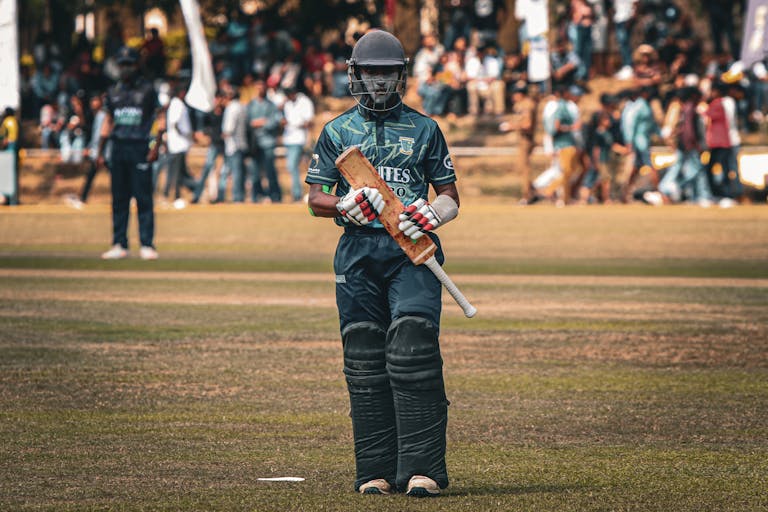
Cricket is perhaps the most visible part of the Pak vs Ind rivalry. Matches between the two nations attract global attention.
The ICC Cricket World Cup often showcases intense competition between them. These matches:
- Draw massive television audiences
- Generate emotional reactions
- Foster national pride
However, cricket can also promote goodwill. Friendly matches and sports diplomacy have sometimes eased tensions.

Major Cities and Symbolism
Two important cities representing political and cultural centers include:
- Lahore – Known for culture, literature, and historical significance.
- New Delhi – India’s political capital and diplomatic hub.
These cities often host diplomatic talks, cultural festivals, and sporting events.
Economic Potential Between Pakistan and India
Experts often note that cooperation could bring major economic benefits:
Trade Opportunities
- Reduced transportation costs
- Regional supply chains
- Increased exports and imports
Tourism Potential
Shared heritage sites could attract international visitors.
Energy Cooperation
Cross-border pipelines and energy trade could benefit both economies.
However, political tensions have limited these opportunities.
Media Influence on Pak vs Ind Perceptions
Media plays a huge role in shaping public opinion:
- News coverage can intensify nationalism.
- Social media spreads both positive and negative narratives.
- Films and television sometimes reinforce stereotypes.
Balanced reporting and cultural exchange can help reduce misunderstandings.
Social Impact of Rivalry
The Pak vs Ind relationship affects everyday people:
- Visa restrictions limit travel.
- Families divided during Partition still feel separation.
- Students and professionals miss collaboration opportunities.
Despite this, many citizens advocate peace and cooperation.
Nuclear Dimension and Security Concerns
Both Pakistan and India possess nuclear weapons. This reality creates:
- Strategic deterrence
- Global concern about escalation
- Need for careful diplomacy
Peaceful coexistence is essential for regional and global stability.
Youth Perspective and Future Generations
Young people in both countries increasingly connect through:
- Online platforms
- Educational exchanges
- Cultural appreciation
Many youths focus on economic growth, technology, and climate challenges rather than historic conflict.
This shift could shape future relations positively.
Role of Technology and Digital Communication
Technology has transformed interactions:
- Social media dialogue
- Online collaborations
- Shared entertainment platforms
Digital communication sometimes reduces barriers, though it can also spread misinformation.
Education and Academic Collaboration
Academic partnerships could improve relations through:
- Research collaboration
- Student exchange programs
- Shared scientific initiatives
Such cooperation builds trust over time.
Environmental Challenges Affecting Both Nations
Both countries face similar environmental issues:
- Climate change impacts
- Water scarcity
- Air pollution
Joint solutions could benefit millions.
Religious and Cultural Heritage
Historical religious sites exist on both sides of the border. Pilgrimages and cultural tourism promote mutual understanding when permitted.
These shared heritage connections highlight common roots despite political differences.
Peace Initiatives and Track-II Diplomacy
Besides official diplomacy, informal initiatives help:
- Cultural festivals
- Academic conferences
- Sports exchanges
These efforts often succeed in reducing tensions at the grassroots level.
Psychological Dimension of Rivalry
Decades of rivalry create emotional narratives:
- National pride and identity
- Historical memory
- Media influence
Understanding psychology behind the rivalry helps promote reconciliation.
Economic Cost of Conflict
Military spending diverts resources from:
- Education
- Healthcare
- Infrastructure
Peaceful relations could allow both countries to invest more in development.
Tourism Potential Between Pakistan and India
Tourism cooperation could include:
- Religious tourism routes
- Historical heritage tours
- Cultural festivals
This would boost economies and mutual understanding.
Diaspora Influence
Pakistani and Indian communities abroad often interact peacefully. Their cooperation shows that coexistence is possible.
Diaspora business partnerships also promote economic ties.
Women’s Role in Peacebuilding
Women activists, journalists, and leaders contribute to peace initiatives by:
- Promoting dialogue
- Advocating social harmony
- Building community connections
Their role is increasingly recognized.
Cultural Diplomacy Through Arts
Music, film, literature, and art can:
- Reduce stereotypes
- Build empathy
- Encourage dialogue
Artistic collaboration often succeeds where politics struggles.
Challenges to Improved Relations
Several obstacles remain:
- Political mistrust
- Security concerns
- Media narratives
- Historical grievances
Addressing these requires sustained diplomatic effort.
Future Possibilities in Pak vs Ind Relations
The future depends on multiple factors:
- Political leadership
- Public opinion
- Economic priorities
- Regional stability
Optimistic scenarios include trade expansion, cultural exchange, and diplomatic normalization.

: What does Pak vs Ind usually refer to?
“Pak vs Ind” usually refers to competitions, comparisons, or discussions involving Pakistan and India. Most commonly, it is used for cricket matches because the rivalry between the two nations is intense and attracts global attention. Historical, political, and cultural connections make these encounters highly emotional for fans. Beyond sports, the term can also appear in discussions about economy, military strength, culture, education, or tourism comparisons. Media outlets, social platforms, and analysts often use “Pak vs Ind” as a short keyword when highlighting competitive or comparative topics. Overall, it symbolizes a mix of rivalry, shared heritage, and public interest, especially when major cricket tournaments or diplomatic developments bring both countries into the spotlight.
: Why is Pak vs Ind cricket rivalry so famous?
The Pak vs Ind cricket rivalry is famous mainly because of history, national pride, and strong fan emotions. Matches between the two teams are often viewed as more than just sports contests. Millions of viewers watch live broadcasts, creating massive television ratings and social media discussions. Political tensions in the past have limited bilateral series, so when tournaments like the World Cup feature both sides, excitement grows even more. Players face intense pressure, and memorable performances quickly become part of cricket history. The rivalry also reflects cultural similarities alongside competition, making it unique compared to other international matches. Because of this combination of passion, history, and high-quality cricket, Pak vs Ind games remain among the most anticipated sporting events worldwide.
Conclusion
The keyword Pak vs Ind symbolizes far more than rivalry. It represents a complex relationship shaped by history, politics, culture, and shared heritage. While conflicts and disagreements have defined much of their interaction, opportunities for cooperation remain significant.
Both nations share language, traditions, food, and cultural roots that cannot be ignored. Economic cooperation, cultural diplomacy, and youth engagement could reshape future relations positively.
Ultimately, understanding, dialogue, and mutual respect will determine whether Pak vs Ind continues as a rivalry or evolves into a partnership benefiting millions across South Asia.
ALSO READ MORE SocialMediaGirl: The Rise, Influence, and Power of Digital Female Creators 2026