Winter is more than just a season—it is a lifestyle shift that affects how people dress, move, and protect themselves from the cold. As temperatures drop and weather conditions become harsher, clothing transforms from a matter of style into a necessity for survival, warmth, and health. The clothes of winters are carefully designed to trap heat, block cold winds, resist moisture, and still maintain comfort and fashion.
From ancient civilizations wrapping themselves in animal hides to modern insulated jackets made with advanced technology, winter clothing has evolved dramatically. This article explores everything about the clothes of winters, including their types, materials, cultural significance, modern trends, layering techniques, and future innovations The Clothes of Winters.
Understanding the Importance of Winter Clothing
Winter clothing serves a critical role in protecting the human body from extreme weather conditions such as cold temperatures, snowfall, freezing rain, and icy winds. Without proper winter wear, the body loses heat rapidly, increasing the risk of hypothermia, frostbite, and respiratory illnesses.
Why Winter Clothing Is Essential
- Maintains body heatThe Clothes of Winters
- Protects skin from dryness and cracking
- Shields against wind, snow, and rain The Clothes of Winters
- Prevents cold-related illnesses
- Enhances comfort and mobility
The clothes of winters are not optional accessories—they are essential tools for health and survival.
Historical Evolution of the Clothes of Winters
Early Winter Clothing
In ancient times, people relied on The Clothes of Winters natural resources to survive cold winters. Animal skins, fur, and wool were the primary materials used for warmth. Early humans stitched hides together using bones and sinew, creating primitive yet effective winter garments.
Medieval and Pre-Industrial Winter Wear
During the Middle Ages, winter clothing became more structured. Wool cloaks, layered tunics, leather boots, and fur-lined garments were common among both peasants and nobility. The quality and quantity of winter clothes often reflected social status.
Industrial Revolution and Modern Winter Clothing
The Industrial Revolution introduced mass production, allowing winter clothes to become more affordable and accessible. Later, synthetic fibers and insulation technologies revolutionized winter fashion, making clothes lighter, warmer, and more durable.
Core Types of the Clothes of Winters
Winter wardrobes are composed of various garments designed to serve specific purposes. Each item contributes to overall warmth and protection.
Winter Outerwear: The First Line of Defense
Winter Jackets and Coats
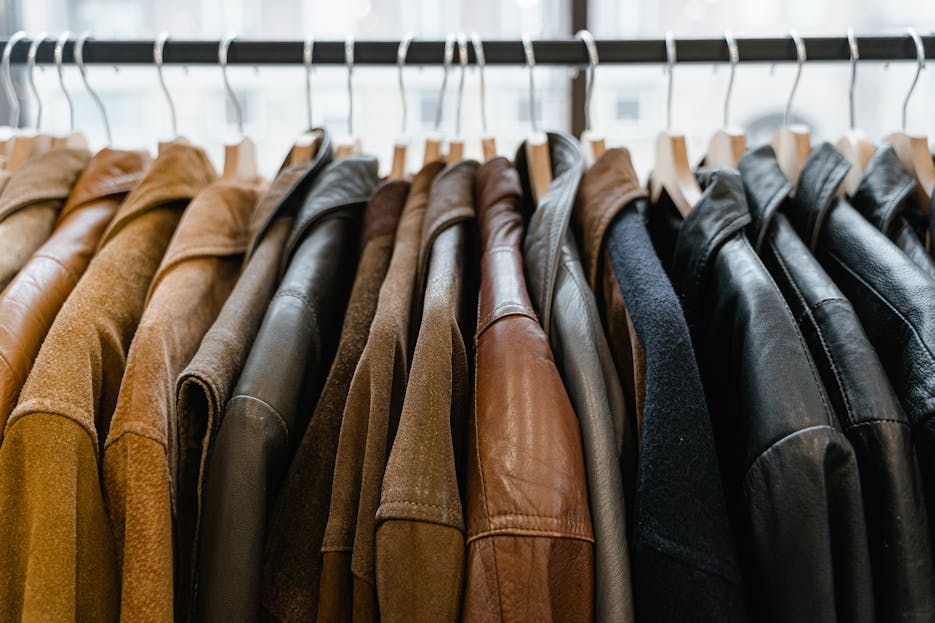
Winter jackets and coats are the most important elements of winter clothing. They provide insulation and protect the body from wind and precipitation The Clothes of Winters
Common Types of Winter Coats
- Puffer jackets – Filled with down or synthetic insulation
- Parkas – Long coats with fur-lined hoods The Clothes of Winters
- Wool coats – Stylish and warm for moderate winters
- Trench coats with liners – Suitable for wet winter conditions
Materials Used in Winter Coats
- Down feathers
- Polyester insulation
- Wool blends
- Waterproof shells like Gore-Tex
Sweaters and Knitwear: Essential Winter Layers
Sweaters play a vital role in winter clothing by adding warmth without bulk.
Popular Sweater Types
- Wool sweaters
- Cashmere sweaters The Clothes of Winters
- Turtlenecks
- Cardigans
- Cable-knit sweaters
Benefits of Winter Knitwear
- Excellent insulation
- Breathable and comfortable
- Easy to layer
- Stylish and versatile
Thermal Wear: The Hidden Warmth
Thermal clothing, also known as base layers, is worn close to the skin. These garments help retain body heat and wick away moisture.
Types of Thermal Wear
- Thermal tops
- Thermal leggings
- Full-body thermals
Fabrics Used in Thermal Clothing
- Merino wool
- Polyester blends
- Spandex
- Bamboo fiber
Thermals are especially important in extremely cold regions or for outdoor activities.
Winter Bottom Wear: Protection for the Lower Body
Winter Pants and Trousers
Winter pants are designed to insulate the legs while allowing flexibility.
Common options include:
- Wool trousers
- Fleece-lined pants
- Insulated jeans
- Snow pants
Leggings and Tights
Thermal leggings are often worn under pants for extra warmth, especially by women and children.
Winter Accessories: Small Items, Big Impact
Accessories play a surprisingly important role in the clothes of winters.
Winter Hats and Beanies
A significant amount of body heat escapes through the head. Wearing a winter hat helps conserve heat.
Popular styles:
- Beanies
- Wool caps
- Fur hats
- Ear-flap hats
Gloves and Mittens
Hands are extremely vulnerable to cold. Gloves and mittens protect fingers and maintain dexterity.
- Wool gloves
- Leather gloves
- Insulated mittens
- Touchscreen-compatible gloves
Scarves and Mufflers
Scarves provide warmth to the neck and chest while adding a fashionable touch.
Materials include:
- Wool
- Cashmere
- Acrylic blends
Winter Footwear: Warmth from the Ground Up
Winter Boots
Winter boots are designed to handle snow, ice, and cold surfaces.
Key features:
- Insulated lining
- Waterproof exterior
- Slip-resistant soles
Socks for Winter
Winter socks are thicker and warmer than regular socks.
Common materials:
- Wool
- Thermal cotton
- Fleece
Layering socks is common in extremely cold climates.
The Science Behind Layering Winter Clothes
Layering is a strategic way of dressing during winter to maximize warmth and comfort.
The Three-Layer System
- Base Layer – Thermals to manage moisture
- Mid Layer – Sweaters or fleece for insulation
- Outer Layer – Coats or jackets for protection
This system allows flexibility and temperature regulation.
Winter Clothing for Men
Men’s winter clothing balances durability, warmth, and style.
Common items include:
- Heavy jackets
- Wool sweaters
- Thermal undershirts
- Winter boots
- Gloves and scarves
Men’s winter fashion often focuses on neutral colors and functional designs.
Winter Clothing for Women
Women’s winter clothing combines warmth with elegance and variety.
Popular items:
- Long coats
- Knit dresses
- Leggings and tights
- Stylish boots
- Shawls and scarves
Layering allows women to maintain style while staying warm.
Winter Clothing for Children
Children require special winter clothing due to their sensitivity to cold.
Essential items:
- Padded jackets
- Thermal sets
- Wool caps
- Mittens
- Snow boots
Children’s winter clothes are designed to be lightweight, colorful, and easy to wear.
Cultural Influence on the Clothes of Winters
Winter Clothing Across the World
Different cultures have unique winter clothing traditions.
- Europe – Wool coats and scarves
- Scandinavia – Layered thermal wear
- Russia – Fur hats and heavy coats
- East Asia – Padded jackets and heat-tech clothing
Climate, lifestyle, and tradition shape winter fashion globally.
Sustainable and Eco-Friendly Winter Clothing
With rising environmental awareness, sustainable winter clothing is gaining popularity.
Sustainable Materials
- Recycled polyester
- Organic wool
- Plant-based insulation
Ethical Winter Fashion
Brands are now focusing on:
- Fair labor practices
- Reduced carbon footprint
- Long-lasting quality
Sustainable winter clothing benefits both people and the planet.
Modern Trends in Winter Fashion
Winter clothing has become a major part of global fashion trends.
Popular Winter Fashion Trends
- Oversized coats
- Neutral and earthy tones
- Layered outfits
- Minimalist winter wear
Fashion designers now blend comfort, warmth, and aesthetics.
Caring for Winter Clothes
Proper care extends the life of winter garments.
Maintenance Tips
- Wash wool gently
- Store clothes in dry places
- Use moth repellents
- Air out coats regularly
Good care ensures winter clothes remain effective and stylish.
The Future of the Clothes of Winters
Technology continues to reshape winter clothing.
Innovations in Winter Wear
- Heated jackets
- Smart fabrics
- Ultra-light insulation
- Weather-adaptive clothing
The future promises winter clothes that are warmer, lighter, and more intelligent.

FAQs About the Clothes of Winters
What are the most important clothes for winter?
The most important winter clothes include jackets, thermals, sweaters, boots, gloves, and hats.
Which fabric is best for winter clothing?
Wool is considered one of the best fabrics for winter due to its insulation and breathability.
How should winter clothes be layered?
Winter clothes should be layered using a base layer, mid layer, and outer layer.
Are winter clothes different for mild and extreme cold?
Yes, extreme cold requires insulated and layered clothing, while mild winters need lighter garments.
How can winter clothes be both warm and stylish?
By choosing quality materials, proper layering, and modern designs, winter clothes can be fashionable and functional.
Conclusion: The Lasting Importance of the Clothes of Winters
The clothes of winters are far more than seasonal garments—they are essential tools that protect, comfort, and express individuality during the coldest months of the year. From historical roots to modern innovations, winter clothing continues to evolve to meet human needs. Whether for survival, fashion, or sustainability, winter clothes remain a vital part of everyday life.
By understanding materials, layering techniques, cultural influences, and care practices, anyone can build a winter wardrobe that is warm, practical, and stylish. As technology and sustainability shape the future, the clothes of winters will continue to redefine how people face the cold
15 FAQs About Winter Clothes
Here are 15 frequently asked questions about winter clothing, with practical answers to help you stay warm and comfortable during the cold season.
- What is the best way to layer clothes for winter?
Use three layers: a moisture-wicking base layer (e.g., merino wool or synthetic thermals), an insulating middle layer (e.g., fleece or down), and a waterproof/windproof outer layer (e.g., a shell jacket). This traps heat while allowing adjustments for activity level. - What are essential winter clothing items?
Key staples include a warm coat/parka, insulated boots, wool socks, gloves or mittens, a hat or beanie, scarf, thermal underwear, sweaters, and waterproof pants for snow. - Why is layering important in winter?
Layering creates air pockets that trap body heat, wicks away sweat to prevent chilling, and allows you to add/remove clothes as temperatures or activity change. - What materials are best for winter clothes?
Wool (especially merino), fleece, down, cashmere, and synthetics like polyester for insulation. Avoid cotton as it absorbs moisture and loses warmth when wet. - How do I choose a winter coat?
Look for insulation (down or synthetic), waterproof/windproof shell, length covering your hips or longer, and a hood. Down is warmest but less effective when wet; synthetic is more versatile. - Are mittens or gloves better for warmth?
Mittens are warmer because they keep fingers together, sharing heat. Gloves offer more dexterity for tasks. - What kind of boots should I wear in winter?
Insulated, waterproof boots with good traction (non-slip soles) and room for thick socks. Heights vary—ankle for mild weather, mid-calf or higher for snow. - How much heat do we lose from our head?
Up to 50% in cold conditions if uncovered, as blood flows to the head. Always wear a hat that covers your ears. - Is cotton good for winter clothing?
No—cotton absorbs moisture and dries slowly, leading to heat loss. Opt for wool or synthetics instead. - How can I stay warm without bulky clothes?
Use thin, high-quality layers like merino base layers and lightweight down. Tight-fitting bases reduce air movement, enhancing warmth. - What socks are best for cold weather?
Wool or synthetic thermal socks—thick for boots, moisture-wicking to keep feet dry. Avoid cotton. - How do I care for winter clothes?
Wash wool/delicates gently, air-dry down items, store clean and dry to prevent moths (use cedar or lavender). Brush off salt/snow promptly. - Can I look stylish while staying warm in winter?
Yes—choose fitted layers, neutral colors with pops via accessories (scarves, hats), and quality pieces like wool coats or leather boots. - What underwear is best for extreme cold?
Thermal long underwear (merino wool or synthetic) as a base layer to wick moisture and provide insulation directly against skin. - How to dress for wet winter weather (rain/snow)?
Prioritize waterproof outer layers (Gore-Tex or similar), sealed seams, and quick-drying inner layers. Add gaiters or snow pants for deep snow.
These tips are based on expert advice from sources like REI, wikiHow, and cold-weather guides. Stay warm!
ALSO READ MOREThe Ultimate Guide to Button-down Shirt: Styles, Fits, Fabrics & Fashion Trends (2025 Edition)